Commercial cleaning and food hygiene professionals in Brampton support restaurants, food centers, baking facilities, warehouses, and mobile food services staying compliant. They decontaminate high-contact points, food contact areas, equipment, floors, drains, restrooms, and food handling spaces complete information using certified products, maintaining proper ratios, and recording exposure duration. You require scheduled cleaning based on risk, volume, food allergies, and inspections, plus verification records that support Hazard Analysis Critical Control Points, audits, and regulatory adherence. The sections below explains how effective cleaning systems should include.
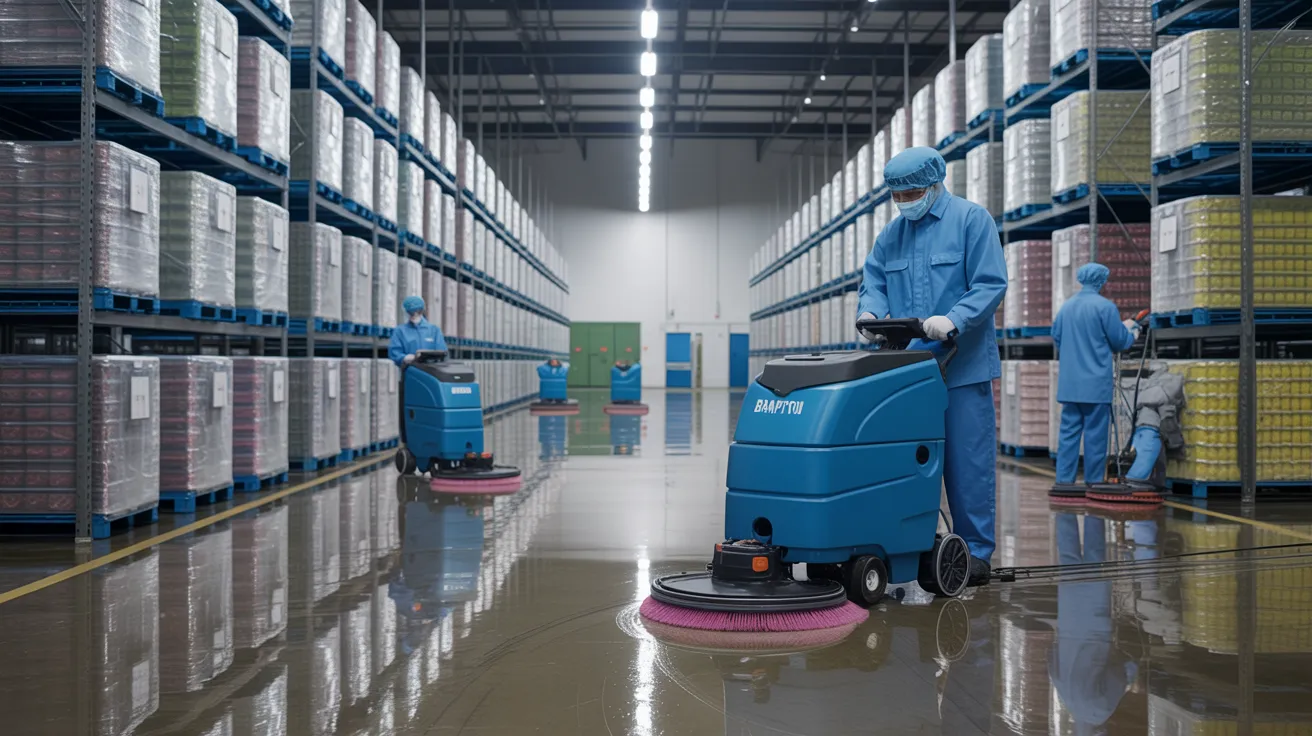
Essential Summary
- Brampton sanitation experts service restaurants, grocery departments, commissaries, warehouses, bakeries, schools, mobile vendors, and allergen-sensitive operations.
- High-touch surfaces, food-contact equipment, kitchens, floors, drains, restrooms, and storage areas are treated using zone-based workflows to reduce cross-contamination.
- Approved sanitizer dilution, compatibility, and exposure duration are validated by certified specialists, with completion filed via checks, reviews, and remedial documentation.
- Sound hygiene schedules factor in danger, throughput, switches, releases, and regulations when distributing everyday, recurring, and periodic duties by section.
- Liability, color-categorized instruments, HACCP, sanitation expertise, WHMIS preparation, testimonials, and audit-ready maintenance documentation are vital supplier attributes.
What Brampton Establishments Require Food Safety Cleaning?
You must maintain food safety cleaning if your facility is covered by health department oversight, food standards, or HACCP requirements. This covers dining establishments, employee cafes, distribution hubs, market sections, meat shops, fish stands, retail outlets, and food service kitchens.
You'll additionally need documented food sanitation in distribution warehouses, production plants, frozen storage areas, commercial bakeries, educational meal programs, banquet venues, and food delivery services. Portable business models are included, including food trucks, festival vendors, and pop-up establishments. Should your employees work with ingredients, section ready-to-serve foods, heat meals, or keep allergens stored, your facility requires established hygiene documentation. In Brampton, sanitation stays required; it constitutes regulatory, business, and safety adherence.
Which Areas Do Brampton Cleaning Experts Cover?
Your facility requires professional cleaners who disinfect frequently contacted surfaces, cooking and food prep areas, all floor types, and restrooms for food safety and health code adherence. These zones receive attention because they represent the most significant contamination risk, hazardous walking conditions, and violations of hygiene standards.
By understanding their service scope, you are able to confirm your facility's cleaning procedures meet compliance standards.
Focusing on High-Touch Surface Cleaning
Addressing high-touch surface sanitizing is important for Brampton sanitation experts because contact points can transfer bacteria, viruses, and food residue within a space. You need a formal plan for cleaning door handles, push plates, switches, railings, shared equipment controls, POS terminals, and refrigerator pulls. Implementing surface identification mapping, professionals identify every high-traffic zone and determine cleaning frequency
By replacing towels, maintaining directional cleaning methods, and dividing sanitization equipment according to section, you ensure a verifiable, well-documented, and inspection-ready disinfection system.
Food Prep Areas, Flooring, and Sanitary Facilities
Brampton cleaning services zero in on kitchens, floors, and restrooms as each zone involves different food safety, slip-and-fall, and public health risks. In industrial kitchens, you need degreasing on cook lines, equipment exteriors, drains, prep surfaces, and splash zones to reduce bacterial growth and pest activity.
You should also expect documented flooring maintenance. is also provided as part of the service.
Restroom cleaning requires disinfecting touchpoints, fixtures, partitions, dispensers, and waste containers, restocking supplies and controlling odours. They also service restaurant moprooms, where chemical storage, sink hygiene, and drainage conditions can affect sanitation compliance and staff safety daily.
Food Safety Cleaning Significance for Brampton Businesses
Brampton facilities demand food-safe cleaning standards to meet health code requirements and pass audits. You also minimize bacterial spread through proper cleaning of food-preparation surfaces, appliances, and frequently-touched items. Most importantly, you safeguard public health by lowering the risk of foodborne illness in your facility.
Regulatory Code Requirements
Since Brampton food businesses must follow mandatory safety protocols, your hygiene maintenance directly influences your ability to meet health codes, safeguard diners, and sidestep regulatory penalties. You must maintain sanitized food contact points, written maintenance records, appropriate product handling, and documented employee protocols that correspond to municipal and provincial inspection expectations.
When inspectors examine your operation, they determine whether your sanitation system supports safe storage, tool sterilization, waste handling, and facility cleanliness.
Contamination Management
Following regulatory requirements depends on your skill in stopping cross-contamination in routine food work and sanitation. You must separate raw ingredients from ready-to-eat foods, sanitize prep surfaces between tasks, and store chemicals away from food-contact items. Clear procedures reduce transfer risks and promote steady regulatory adherence.
Implementing allergen separation helps keep priority allergens from contacting communal work zones, bins, or devices. Deploy dedicated cutting boards, color-coded tools, and clear tool marking so workers don't combine products while preparing or distributing. Require handwashing after handling fresh proteins, aquatic items, egg products, or allergen materials. Refresh cleaning cloths often, and verify sanitizer strength with test strips. When you train staff to follow these controls every shift, you establish a more hygienic, safer workplace that meets Brampton's food safety expectations daily.
Community Health Assurance
When food safety cleaning deteriorate, you don't only face inspection setbacks—you expand the chance of foodborne illness affecting customers, staff, and the larger Brampton community. You also weaken your role in protecting public health, especially in busy food facilities where contamination can spread quickly through surfaces, equipment, and touchpoints.
You require cleaning procedures that remove contaminants, sanitize properly, and verify outcomes. This requires following exposure times, utilizing approved disinfectants, documenting procedures, and training employees to meet health-unit expectations. These mechanisms support disease prevention by limiting pathogens before reaching food or hands. Across Brampton, effective sanitation safeguards vulnerable groups, limits outbreak risk, and shows your diligence. When you maintain proper protocols, you go beyond requirements—you meaningfully reduce risk and facilitate secure food handling throughout the area.
How Does Cleaning Support Food Safety Compliance?
Maintaining rigorous cleaning routines supports food safety compliance by lowering contamination exposure, limiting pathogen development, and keeping your facility in accordance with sanitation requirements under HACCP-based programs and public health regulations. You validate that food-handling surfaces are visibly clean and microbiologically controlled, enabling documented preventive controls and inspection readiness.
Cleaning efforts additionally upgrade allergen management by extracting residues that can provoke undeclared allergen exposure.
Establishing When to Schedule Commercial Cleaning
surfaces can collect contamination
Seasonal deep cleaning needs to be planned during shutdowns, weather-related soil buildup, or pest-pressure periods
How Do You Choose Brampton Cleaning Experts?
Screen providers initially by their food hygiene standards—not budget alone. You need to confirm that every company meets CFIA, public health, and HACCP standards for your operation. Demand proof of insurance, WHMIS compliance, training records, and management systems. Evaluate technician understanding of contamination dangers, chemical safety, and documented sanitation practices.
You should further examine service consistency and answerability. Request references from food facilities in Brampton, then review reply speed, corrective-action procedures, and communication protocols. Validate the company supports supplier audits and can supply compliance documentation to regulators or external parties. Confirm equipment receives maintenance, color-coded implements are applied correctly, and facility-specific risks are identified. A experienced service ensures regulatory compliance, product integrity, and your brand reputation.
What's covered in a Food Safety Cleaning Plan?
Develop a written plan that clarifies every sanitation task, standard, and responsibility prior to production start. You should outline cleaning schedules, authorized chemicals, concentration levels, contact duration, implements, and validation techniques for each zone, surface, and piece of equipment. Incorporate pre-operational inspections, corrective actions, and employee training requirements.
Your program should also address contamination prevention, garbage management, pest control procedures, and recorded timelines for restrooms, drains, floors, and food-contact areas. Detail how you'll separate raw and ready-to-eat processes, support ingredient tracking, and ensure accurate allergen labeling through validated cleaning between product changes. You should designate accountability, keep signed records, and compare results against regulatory standards, HACCP controls, and customer requirements. When gaps appear, revise procedures immediately and re-educate staff.
Commonly Asked Inquiries
Are sanitation providers offered for nighttime operations in Brampton facilities?
If you manage regulated spaces, you'll also need documentation that enable inspections and maintain assurance.
Can Brampton cleaning experts manage emergency spill response?
Yes, you can locate several Brampton sanitation experts offering emergency response options. They handle contamination, evaluate risks, isolate zones, and execute rapid cleanup to minimize risk and prevent disruption. You should verify response times, training credentials, protocols, and procedures. If your facility needs compliance, pick a provider that documents incidents, follows procedures, and supports audits.
Can green disinfectants be used safely on surfaces contacting food?
Yes, natural disinfectants can be suitable for food preparation areas if you choose products labeled food safe and satisfying regulatory requirements. You should verify application timing, mixing proportions, and rinse requirements before implementation. Many botanical formulations decrease chemical burden, but you must obtain confirmation of performance against specific pathogens. To ensure residue-free conditions, you should follow exact manufacturer guidelines and confirm the cleaning agent complies with relevant food safety standards.
Can cleaning plans adjust with seasonal production changes?
Certainly, maintenance plans adapt to seasonal variations successfully. Adapt frequencies, staffing, disinfectants, and verification steps to align with operational cycles while sustaining regulatory compliance. Lower production interruptions by timing sanitation amid changeovers, high demand periods, and usage patterns. Also revise procedural documents, training, and environmental monitoring to account transient threats, additional allergens, or increased soiling. Ongoing evaluations maintain your strategy effective.
Will professional cleaning services train your staff on sanitation best practices?
Indeed, commercial cleaning providers often offer staff training on sanitation best practices. Your team receives instruction on safe chemical application, exposure durations, preventing cross-contamination, equipment disassembly, and documentation. They typically follow training with HACCP, GMP, and CFIA or regional health standards requirements. Many perform sanitation audits to confirm standards, reveal issues, and strengthen improvement measures. This assists you to establish reliable processes, achieve compliance, and decrease foodborne illness risks on a daily basis.
Summary
Partnering with Brampton commercial cleaning and food safety professionals means more than cleaning—it guarantees your operation stays inspection-compliant and your standards are defensible. From kitchen areas to production zones, each sanitized surface and maintained corner reduces health hazards and prevents major expenses. By scheduling maintenance at suitable frequencies and implementing a thorough cleaning program, you protect your workforce, your customers, and your reputation. In a tightly controlled market, clean environments are non-negotiable—they're vital to proper management.